Choosing PEB or CSB: How Regional Priorities Define the Right Steel System

Pre-Engineered Buildings (PEB) are widely used in the United States, India, and the Middle East, while Conventional Steel Buildings (CSB) remain dominant in much of Europe, Japan, and other regions.
This geographic divide is not a coincidence. It reflects deeper differences in economic priorities, industrial maturity, regulatory environments, and construction culture.

Understanding why certain regions favor speed, standardization, and scalability—while others prioritize permanence, customization, and craftsmanship—provides valuable insight into how steel building systems evolve globally

Key Factors Driving PEB Adoption in the "PEB Powerhouses"

1. Economic & Market Drivers

  • USA: The birthplace of PEB (1950s-60s). A culture of fast-track development, high labor costs, and a mature manufacturing/industrial sector created perfect conditions. The need for vast distribution centers (Walmart, Amazon) and cost-conscious industrial expansion made PEB the default.
  • India: Driven by the post-1990s industrial boom. PEB offers the perfect solution for rapidly building factories and warehouses at minimal cost, a critical need for a developing economy. Low-cost engineering labor enables detailed PEB design, and the speed-to-market is paramount for investors.
  • Middle East: The defining factor is the extreme urgency of development (e.g., Saudi Vision 2030, Expo cities, UAE logistics hubs). PEB’s speed allows entire industrial cities to rise from the desert in
2. Mindset & Construction Culture
  • Pragmatism Over Permanence: These regions have a strong “time is money” entrepreneurial culture. The focus is on functional efficiency and return on investment (ROI) rather than building monuments for centuries. The perceived “temporary” nature of PEB is not a drawback but an advantage for adaptable industrial assets.
  • Acceptance of Standardization: The markets accept and even prefer standardized, repeatable solutions for industrial/commercial needs. The “kit-of-parts” approach is seen as smart engineering, not a limitation.
3. Regulatory & Physical Environment
  • Less Stringent Seismic Codes (in parts): While all modern PEBs are engineered to code, the extreme seismic ductility requirements of regions like Japan or Chile can sometimes tip the balance toward the perceived robustness of heavier conventional sections. The U.S., India, and the Middle East (except certain zones) have codes where PEB optimization is straightforward.
  • Open Land & Simple Sites: Abundant, flat, greenfield sites in industrial parks and desert areas are ideal for PEB’s repetitive, linear layouts and easy transport of large components.

Why Conventional Steel Remains Common Elsewhere (Europe, Japan, etc.)

1. Cultural & Historical Preference for “Heavy” Construction
  • Permanence as a Value: In much of Europe and Japan, there is a deep-seated cultural and regulatory emphasis on longevity, durability, and “monumental” quality. Buildings are often seen as multi-generational assets. Heavier, conventional steel feels more substantial and permanent, aligning with this value system.
  • Architectural Tradition: A strong tradition of bespoke, architecturally significant buildings, even for industrial purposes (e.g., high-design factories in Germany, Italy). The flexibility of CSB for unique forms is prized.
2. Established Industry & Labor Structures
  • Mature, Skilled Trades: Regions like Germany, Austria, and Japan have a century-old tradition of highly skilled, unionized steel fabricators and welders. Their business models, apprenticeship systems, and reputations are built on custom fabrication. PEB is seen as a threat to this craft-based ecosystem.
  • Strong Local Fabricators: A dense network of small-to-medium, highly capable local steel fabricators makes CSB competitive and responsive. There is less need for a single, distant mega-supplier.
3. Regulatory & Technical Factors
  • Strict & Complex Building Codes: European codes (Eurocodes) and Japanese codes are highly prescriptive and can be more complex to apply to the optimized, system-based design of PEB. The approval process for a novel PEB system can be more arduous than for a well-understood conventional design.
  • Urban & Constrained Sites: In dense European cities, industrial infill projects often have tight, irregular sites, height restrictions, and complex access. The need for a custom, one-off solution fits CSB better than the standardized PEB approach.
  • Focus on Sustainability & Lifecycle: The European focus on whole-life carbon accounting sometimes questions the long-term adaptability and deconstructability of highly optimized PEBs. The heavier sections of CSB are seen as offering more inherent flexibility for future change-of-use.

The Global Trend: Convergence

The divide is not absolute and is narrowing. Key trends are blurring the lines:
• PEB Suppliers Upping Their Game: Major global PEB companies (like Kirby, BlueScope) now offer “Architectural PEB” with aesthetic facades, meeting European aesthetic demands.
• Hybrid Systems: Many projects now use a hybrid approach – a PEB primary frame for the main enclosure (for speed and cost) with conventional steel for complex mezzanines, canopies, or architecturally exposed elements.
• Globalization of Best Practices: As multinational corporations build similar facilities worldwide, they bring their preferred construction methods with them, spreading PEB logic.

Conclusion

The distribution is less about technical superiority and more about path dependency and local value systems.
• USA/India/Middle East: Value Speed, Scale, and ROI. PEB is the efficient, scalable industrial tool.
• Europe/Japan/Others: Value Permanence, Craftsmanship, and Bespoke Design. CSB is the flexible, craft-based solution.
The choice is ultimately a reflection of a region’s economic priorities, labor history, and cultural relationship with the built environment. As industrial needs globalize, the most efficient solution (often PEB) tends to gain ground, but it must adapt to local contexts.
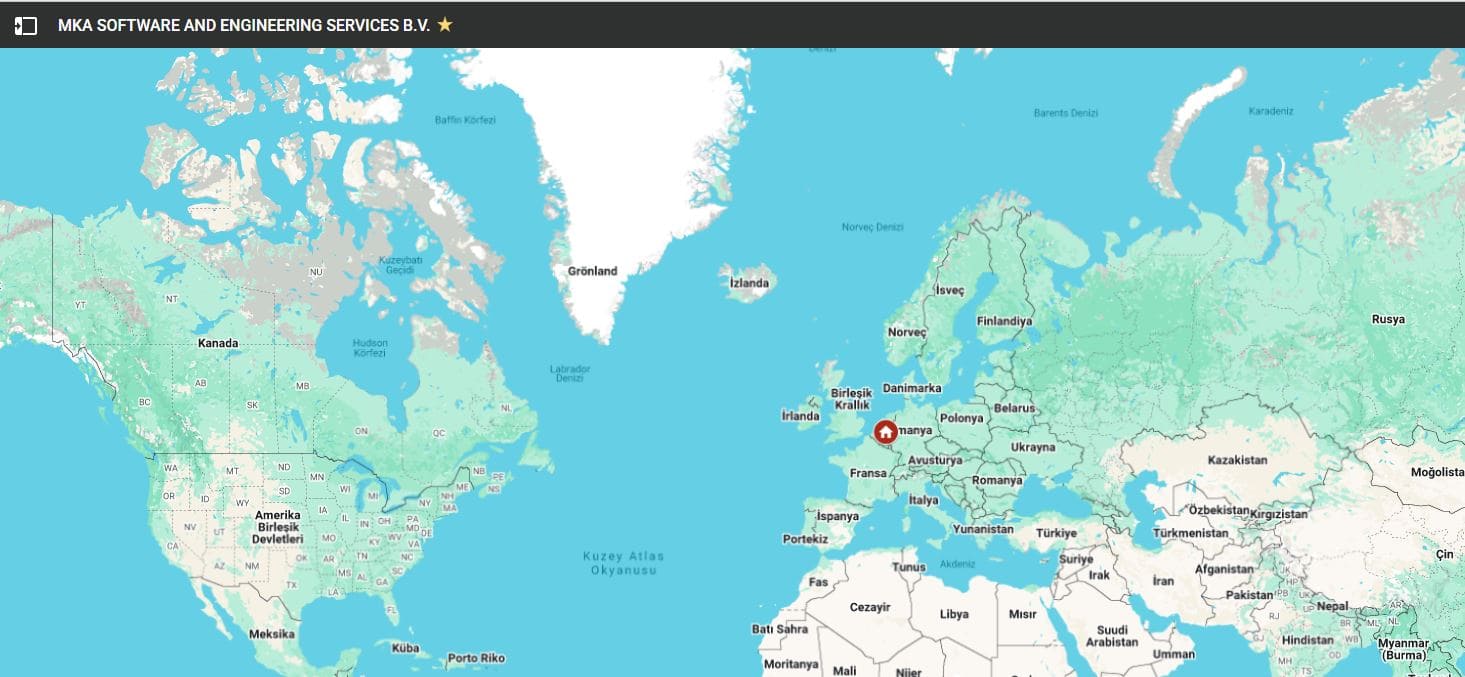
style=" position:relative; width:100%; max-width:1200px; height:500px; cursor:pointer; overflow:hidden; " onclick="loadMapHolland()"> Avrupa / Hollanda Harita Görünümü
View Map

Shattering the Monopoly: How AI-Driven Cost Optimization is Positioning Steel as the Low-Cost Leader and Unlocking a 20X Larger Market

The Strategic Amplification of Engineering Talent: Leveraging AI as a Force Multiplier in Structural Design to Drive Innovation and Growth

The First-Mover Advantage in PEB Bidding: Leveraging AI to Win More Projects with Unbeatable Speed and Precision

The First-Mover Advantage in PEB Bidding: Leveraging AI to Win More Projects with Unbeatable Speed and Precision

The First-Mover Advantage in PEB Bidding: Leveraging AI to Win More Projects with Unbeatable Speed and Precision

The Strategic Amplification of Engineering Talent: Leveraging AI as a Force Multiplier in Structural Design to Drive Innovation and Growth

Shattering the Monopoly: How AI-Driven Cost Optimization is Positioning Steel as the Low-Cost Leader and Unlocking a 20X Larger Market

The First-Mover Advantage in PEB Bidding: Leveraging AI to Win More Projects with Unbeatable Speed and Precision

Snow Load
Wind Load
Seismic Information
Snow Load Code USA: ASCE-07-22
Risk Category II
Snow Surface Type B (see Section 26.7)
Exposure Type Fully Exposed
Thermal Condition Unheated structures, open-air structures, structures kept just above freezing [40 to 50 °F (4 to 10 °C)], and other structures with cold, ventilated roofs meeting the minimum requirements of the applicable energy code
Winter Wind Parameter, W2 0.0
Ground Snow Load 30 lb/ft² | 1.437 kN/m²
Flat Roof Snow Load 22.68 psf | 1.086 kN/m²

Wind Load Code USA: ASCE-07-22
Main Wind Force Resisting System Chapter 27
Components And Claddings Chapter 30
Building Class I
Wind Exposure For buildings or other structures with a mean roof height ≤ 30 ft (9.1 m): Exposure Category B applies where Surface Roughness B prevails for a distance > 1,500 ft (457 m).
For buildings > 30 ft (9.1 m): Exposure B applies where Surface Roughness B prevails for a distance > 2,600 ft (792 m) or 20 times the building height, whichever is greater. [ASCE 7-22]
Topographic Type 2D Ridge
Kzt 1.00
In Hurricane Prone FALSE
Wind Speed 85 mph
Enclosure Class Enclosed buildings
Internal Pressure Coefficient Cpi+ 0.18
Internal Pressure Coefficient Cpi- 0.18

Seismic Design Code USA: ASCE-07-22
Longitude 34.05354
Latitude -118.24529
Ss 2.442
S1 0.857
Pga 0.924
Pgv 0.924
Ground Type C
Ground Type Description Very dense sand or hard clay
Structural System C04: Steel ordinary moment frames
Reduction Factor (R) 3.5
Importance Factor (I) 1
Live Load Factor (n) 0.3

Snow Load Table

Snow Load

Snow Load Code USA: ASCE-07-22
Risk Category II
Snow Surface Type B (see Section 26.7)
Exposure Type Fully Exposed
Thermal Condition Unheated structures, open-air structures, structures kept just above freezing [40 to 50 °F (4 to 10 °C)], and other structures with cold, ventilated roofs meeting the minimum requirements of the applicable energy code
Winter Wind Parameter, W2 0.0
Ground Snow Load 30 lb/ft² | 1.437 kN/m²
Flat Roof Snow Load 22.68 psf | 1.086 kN/m²
Wind Load Table

Wind Load

Wind Load Code USA: ASCE-07-22
Main Wind Force Resisting System Chapter 27
Components And Claddings Chapter 30
Building Class I
Wind Exposure For buildings or other structures with a mean roof height ≤ 30 ft (9.1 m): Exposure Category B applies where Surface Roughness B prevails for a distance > 1,500 ft (457 m).
For buildings > 30 ft (9.1 m): Exposure B applies where Surface Roughness B prevails for a distance > 2,600 ft (792 m) or 20 times the building height, whichever is greater. [ASCE 7-22]
Topographic Type 2D Ridge
Kzt 1.00
In Hurricane Prone FALSE
Wind Speed 85 mph
Enclosure Class Enclosed buildings
Internal Pressure Coefficient Cpi+ 0.18
Internal Pressure Coefficient Cpi- 0.18
Seismic Information Table

Seismic Information

Seismic Design Code USA: ASCE-07-22
Longitude 34.05354
Latitude -118.24529
Ss 2.442
S1 0.857
Pga 0.924
Pgv 0.924
Ground Type C
Ground Type Description Very dense sand or hard clay
Structural System C04: Steel ordinary moment frames
Reduction Factor (R) 3.5
Importance Factor (I) 1
Live Load Factor (n) 0.3

[dflip source="https://www.mkapeb.com/wp-content/uploads/2024/07/CelikYapiModeliOnDegerlendirmesi.pdf"]

[/dflip]

[dflip source="https://www.mkapeb.com/wp-content/uploads/2024/07/CelikYapiyaEtkiyenYukleri.pdf"]

[/dflip]

[dflip source="https://www.mkapeb.com/wp-content/uploads/2024/07/CelikYapilardaYukBirlesimleri.pdf"]

[/dflip]


[dflip source="https://www.mkapeb.com/wp-content/uploads/2024/07/GeoteknikRaporVeTemelTasarimi.pdf"]

[/dflip]

[dflip source="https://www.mkapeb.com/wp-content/uploads/2024/07/ServiceContractDE.pdf"]

[/dflip]

[dflip source="https://www.mkapeb.com/wp-content/uploads/2024/07/ServiceContractTR.pdf" ]

[/dflip]


[dflip source="https://www.mkapeb.com/wp-content/uploads/2024/07/ServiceContractEN.pdf"]

[/dflip]

[dflip source="https://www.mkapeb.com/wp-content/uploads/2024/06/General-Terms-And-ConditionsDE.pdf"] [/dflip]

[dflip source="https://www.mkapeb.com/wp-content/uploads/2024/06/General-Terms-And-ConditionsEN.pdf"]

[/dflip]

 
[dflip source="https://www.mkapeb.com/wp-content/uploads/2024/06/General-Terms-And-ConditionsTR.pdf"] [/dflip]

Please choose

Product(s)

Please review the Terms,Conditions and Privacy Policy

8 + 9 =

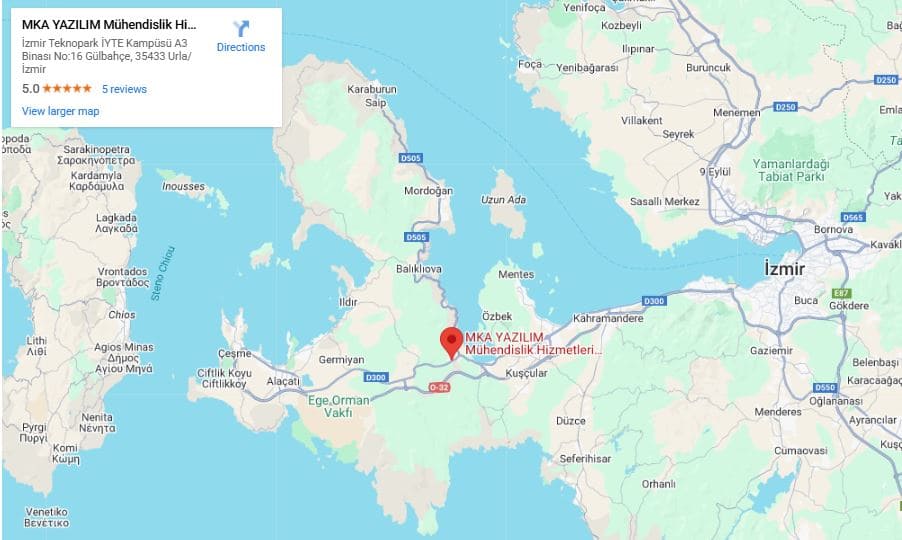
MKA Yazılım İzmir Teknopark Konum
MKA Yazılım
İzmir Teknopark – İYTE Kampüsü
Haritayı Görüntüle
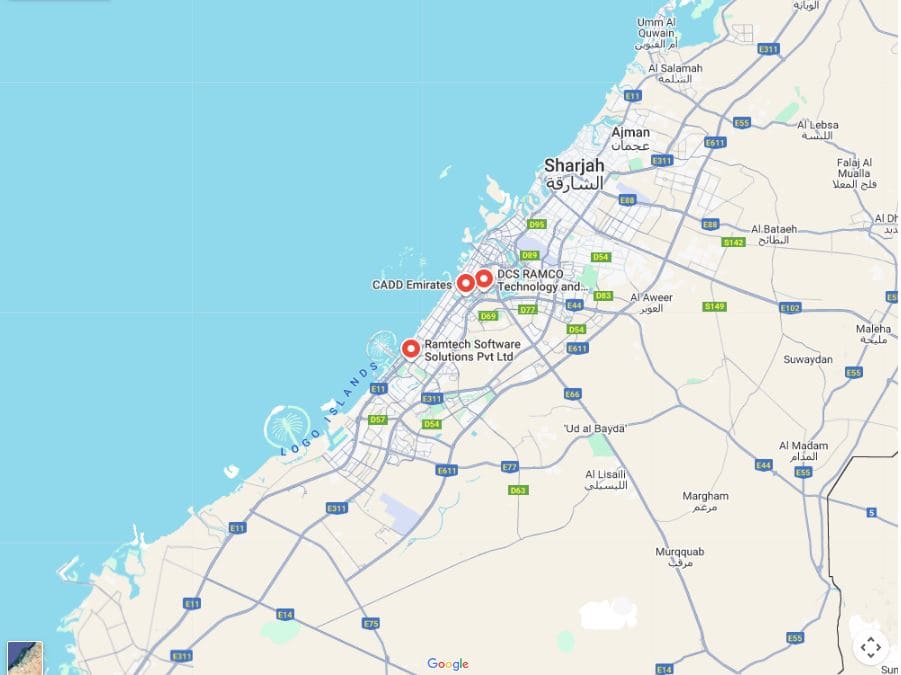
Ram Caddsys Trading LLC Dubai Konum
Ram Caddsys Trading LLC
Burjuman Business Tower · Dubai
View Map
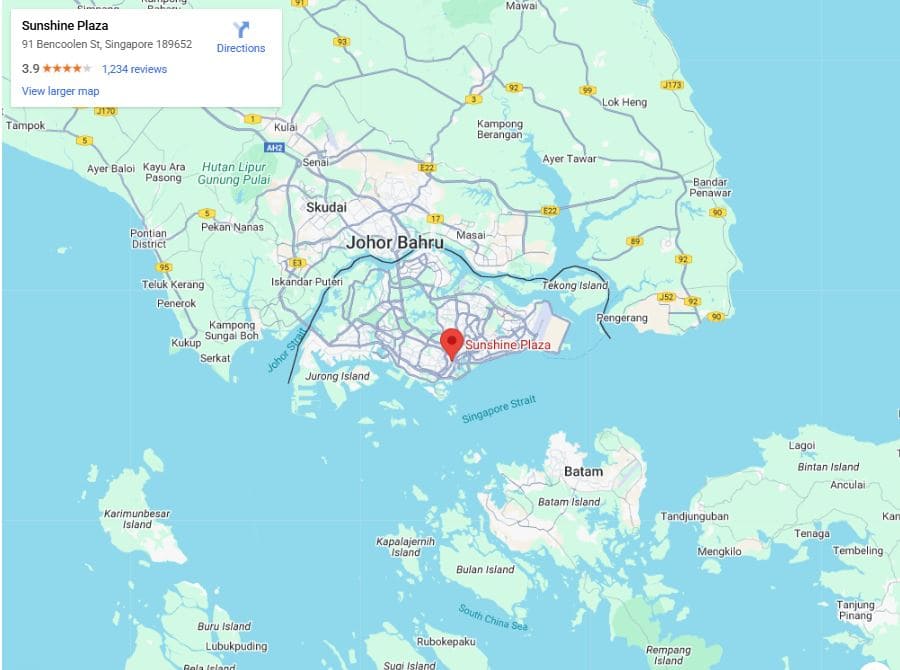
Sunshine Plaza Singapore Konum
Sunshine Plaza
91 Bencoolen Street · #05-06 · Singapore 189652
View Map
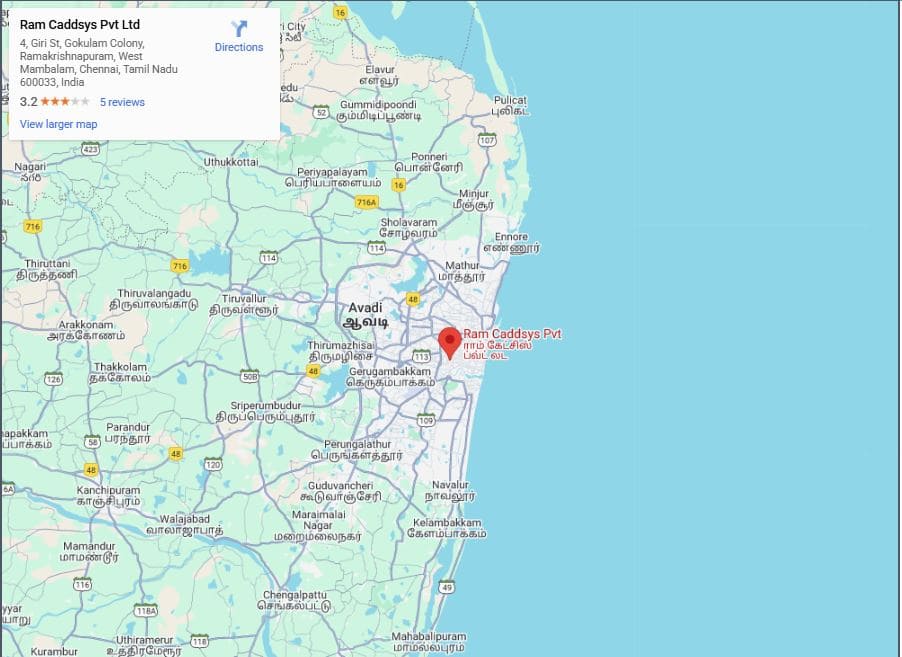
Ram Caddsys Chennai Konum
Ram Caddsys
West Mambalam · Chennai 600033
View Map