Value Engineering Service for Single Story Steel Structures

Build Smarter, Not Just Cheaper.

Unlock Hidden Value and Maximize ROI in Your Single Story Steel Building Projects.

We transform standard designs through a function-oriented, innovative approach. Our clients achieve average savings of 10-20% on their projects while simultaneously enhancing structural efficiency and performance. Value Engineering isn’t an expense—it’s your highest-return investment.

What is Value Engineering?

More Than Just Cost Cutting

Value Engineering is a systematic approach to delivering or enhancing the functions of a project, product, or process at the lowest possible cost, without compromising quality, reliability and safety.

In simple terms, we ask: “What is the primary purpose of this?” and “Is there a better, faster, or more cost-effective way to achieve it?” We don’t just reduce costs; we maximize value.

Value Engineering in Single-Storey Steel Structures

This is our area of expertise

In single-storey steel structures, Value Engineering means designing smarter: selecting the most efficient frame configuration, bay lengths, support conditions, material grades, bracing systems, and section sizes so the structure uses less steel, is easier and faster to fabricate, requires minimal maintenance and operating cost, while fully complying with engineering standards.

Value Engineering is not only about reducing the costs. It’s also about increasing the functionality, efficiency, or long-term value of a building.  For example, in Pre-Engineered Buildings, this could mean:

[dsm_icon_list text_indent=”14px” _builder_version=”4.27.4″ _module_preset=”default” text_font_size=”17px” global_colors_info=”{}” theme_builder_area=”post_content”][dsm_icon_list_child text=”Providing larger column-free areas for operational flexibility” font_icon=”Z||divi||400″ _builder_version=”4.27.4″ _module_preset=”default” global_colors_info=”{}” theme_builder_area=”post_content”][/dsm_icon_list_child][dsm_icon_list_child text=”Providing wider clear spans to accommodate flexible layouts” font_icon=”Z||divi||400″ _builder_version=”4.27.4″ _module_preset=”default” global_colors_info=”{}” theme_builder_area=”post_content”][/dsm_icon_list_child][dsm_icon_list_child text=”Simplifying future expansion or modifications” font_icon=”Z||divi||400″ _builder_version=”4.27.4″ _module_preset=”default” global_colors_info=”{}” theme_builder_area=”post_content”][/dsm_icon_list_child][dsm_icon_list_child text=”Allowing higher roof clearance for specialized equipment or operations” font_icon=”Z||divi||400″ _builder_version=”4.27.4″ _module_preset=”default” global_colors_info=”{}” theme_builder_area=”post_content”][/dsm_icon_list_child][dsm_icon_list_child text=”Enabling modular frame layouts for quick reconfiguration” font_icon=”Z||divi||400″ _builder_version=”4.27.4″ _module_preset=”default” global_colors_info=”{}” theme_builder_area=”post_content”][/dsm_icon_list_child][dsm_icon_list_child text=”Optimizing bracing layouts to allow more usable wall openings” font_icon=”Z||divi||400″ _builder_version=”4.27.4″ _module_preset=”default” global_colors_info=”{}” theme_builder_area=”post_content”][/dsm_icon_list_child][dsm_icon_list_child text=”Reducing structural depth to increase headroom or mezzanine space” font_icon=”Z||divi||400″ _builder_version=”4.27.4″ _module_preset=”default” global_colors_info=”{}” theme_builder_area=”post_content”][/dsm_icon_list_child][dsm_icon_list_child text=”Allowing longer unsupported spans for better material handling or storage” font_icon=”Z||divi||400″ _builder_version=”4.27.4″ _module_preset=”default” global_colors_info=”{}” theme_builder_area=”post_content”][/dsm_icon_list_child][dsm_icon_list_child text=”Improving roof slope or drainage design for better durability and maintenance” font_icon=”Z||divi||400″ _builder_version=”4.27.4″ _module_preset=”default” global_colors_info=”{}” theme_builder_area=”post_content”][/dsm_icon_list_child][/dsm_icon_list]

Benefits of Value Engineering

Achieve More with Less. Choose Value Engineering.

Unlock the true potential of your project. By choosing Value Engineering, we can work together to achieve exceptional results and enhance performance, all while thoughtfully optimizing resources. It’s about creating more value, not just cutting costs.

Cost Efficiency

  • Optimize material usage and structural design to reduce unnecessary expenses
  • Minimize fabrication and construction costs without compromising performance.
  • Avoid overdesign by accurately matching member capacity to loads.
  • Optimize bracing and connection layouts to save on fabrication labor.

Time Savings

  • Shorter fabrication and erection timelines, accelerating project delivery.
  • Reduce on-site adjustments and rework through optimized design solutions.
  • Enable quicker decision-making with multiple design alternatives evaluated automatically.
  • Speed up client approvals with clear, optimized design proposals.

Reliability and Safety

  • Maintain compliance with engineering standards and code requirements.
  • Ensure structures perform safely under all intended loads and conditions.
  • Reduce risk of costly failures or design errors through thorough VE analysis.
  • Incorporate safety margins efficiently to avoid overdesign and underperformance.

Improved Functionality and Flexibility

  • Enhance operational efficiency with smarter layouts and structural configurations.
  • Enable future expansions or modifications with minimal effort and cost.
  • Create wider clear spans and column-free areas for flexible operations.
  • Implement modular frame designs for easier reconfiguration and adaptability.

Competitive Advantage for Fabricators

  • Simplified fabrication and less steel waste
  • Reduced number of complex connections, making assembly faster and more accurate
  • Reduced errors in cutting, welding, and assembling members.
  • Minimized rework and adjustments on site thanks to smarter, pre-verified designs
  • Enhanced reputation with clients for delivering high-quality, efficient structures.

Competitive Advantage for Investors

  • Lower project costs through material and labor savings.
  • Higher ROI by maximizing functionality while minimizing expenses.
  • Faster project delivery due to optimized fabrication and erection timelines.
  • Increased flexibility in building use or future expansion.
  • Ability to compare and choose the most cost-effective and high-performance design.

Our Value Engineering Process

Our Systematic, 6-Step VE Methodology

1. Information & Analysis

We analyze your PEB project’s requirements—including site constraints, building usage, load conditions, and regulatory codes.

2. Function Analysis

We identify the functions your building should perform, focusing on both required and enhanced capabilities. This includes structural performance, operational efficiency, flexibility for future modifications, and durability.

3. Creative Speculation (Brainstorming)

We explore all potential ways to improve project value, such as adjusting bay lengths, frame configurations, bracing systems, support type, or material grades—creating a wide range of options while fully considering the project requirements.

4. Evaluation & Development

For every potential solution, we determine the most optimal sections using our AI-Powered MkaPEB, ultimately identifying the overall most efficient and cost-effective PEB design.

5. Presentation & Reporting

We provide a clear, detailed report outlining the recommended PEB design, optimized sections, supporting calculations, and projected cost and material savings

6. Implementation Support

We help your team integrate the approved PEB design into final construction drawings and documentation, ensuring a smooth transition from concept to build.

Why Value Engineering is Smarter?

The Smartest Path to Performance and Profit.

Value Engineering

Function-based: Asks "Why?" to find better solutions.
Quality Maintained: Enhances value by eliminating waste.
Collaborative: A team-based, creative process.
Long-Term Value: Creates a more efficient and optimal project.

Traditional Cost Cutting

Arbitrary: Simply slashes budgets or specs.
Quality Reduced: Often sacrifices performance and longevity.
Top-Down: A financial directive without technical insight.
Short-Term Fix: Can lead to higher long-term costs.

Case Study - Proof of Value

Real Results: $1.3M Saved on a Pre-Engineered Building Project

•Project:60m x 100m Industrial Facility

•Challenge:Initial design was over budget without exceeding necessary performance requirements.

•Our VE Solutions:Implemented higher-grade steel (S460), optimized frame design via FEA, increased bay spacing, and tapered secondary members.

•Results:

    •3% Total Cost Saved($1.3 Million)

    •2% Reduction in Steel Tonnage

     •Faster Construction Timeline

     •Zero Compromise on Quality or Safety

Frequently Asked Questions (FAQ)

How much does a Value Engineering study cost?

Our fees are typically a small fraction of the savings we identify. They can be structured as a fixed fee, a percentage of project cost, or a success-based model. Contact us for a free, no-obligation assessment and quote.

Doesn’t this mean compromising on quality?

Absolutely not. VE is the opposite of cutting corners. It’s about achieving the same—or better—functional performance by using materials and resources more intelligently and eliminating waste.

When is the best time to conduct a value engineering study?

The earlier, the better. The highest ROI is achieved when VE is integrated during the conceptual and design phases. However, value can be found at any stage.

What types of projects is VE suitable for?

VE is highly effective for industrial facilities, steel structures, commercial buildings, infrastructure projects, and even manufacturing processes.

Final Call to Action

Ready to Unlock Your Project’s True Potential?

Schedule your free, no-obligation project assessment today. Our experts will analyze your plans and provide a preliminary estimate of your potential savings.
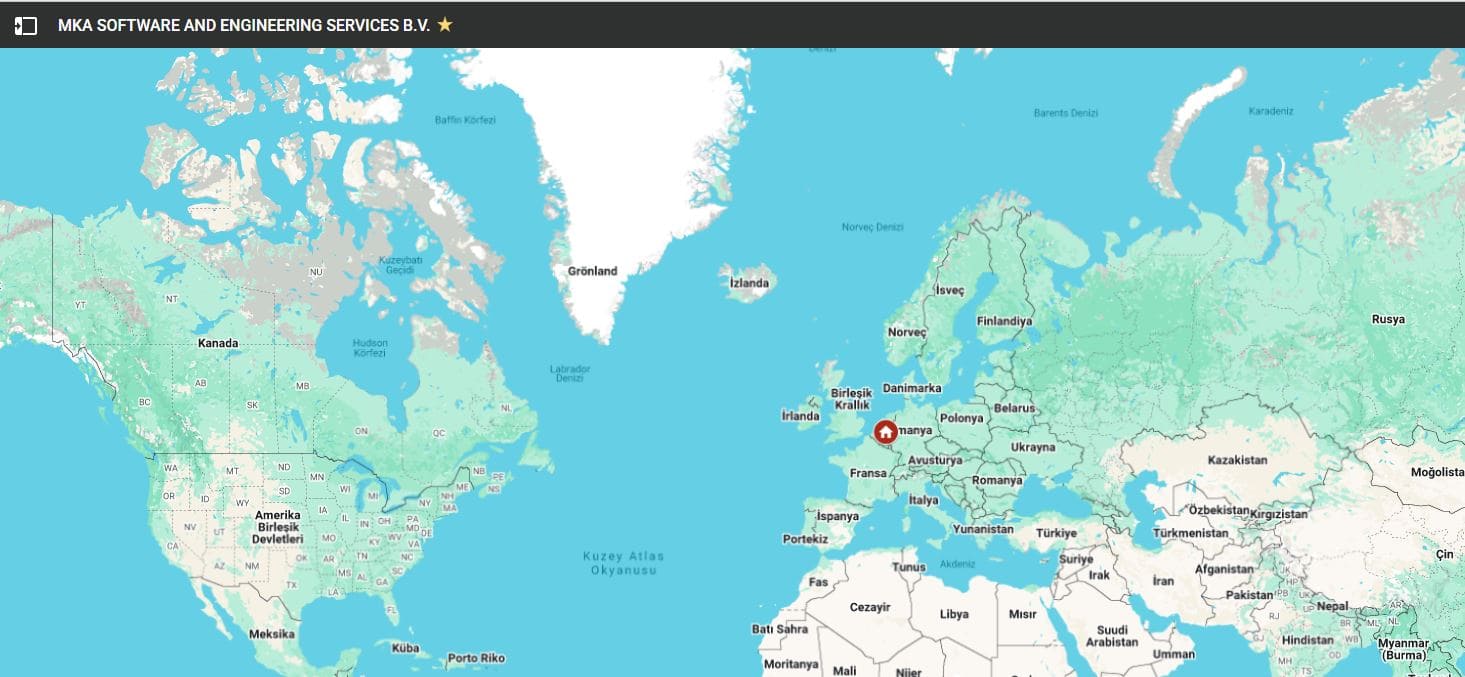
style=" position:relative; width:100%; max-width:1200px; height:500px; cursor:pointer; overflow:hidden; " onclick="loadMapHolland()"> Avrupa / Hollanda Harita Görünümü
View Map

Shattering the Monopoly: How AI-Driven Cost Optimization is Positioning Steel as the Low-Cost Leader and Unlocking a 20X Larger Market

The Strategic Amplification of Engineering Talent: Leveraging AI as a Force Multiplier in Structural Design to Drive Innovation and Growth

The First-Mover Advantage in PEB Bidding: Leveraging AI to Win More Projects with Unbeatable Speed and Precision

The First-Mover Advantage in PEB Bidding: Leveraging AI to Win More Projects with Unbeatable Speed and Precision

The First-Mover Advantage in PEB Bidding: Leveraging AI to Win More Projects with Unbeatable Speed and Precision

The Strategic Amplification of Engineering Talent: Leveraging AI as a Force Multiplier in Structural Design to Drive Innovation and Growth

Shattering the Monopoly: How AI-Driven Cost Optimization is Positioning Steel as the Low-Cost Leader and Unlocking a 20X Larger Market

The First-Mover Advantage in PEB Bidding: Leveraging AI to Win More Projects with Unbeatable Speed and Precision

Snow Load
Wind Load
Seismic Information
Snow Load Code USA: ASCE-07-22
Risk Category II
Snow Surface Type B (see Section 26.7)
Exposure Type Fully Exposed
Thermal Condition Unheated structures, open-air structures, structures kept just above freezing [40 to 50 °F (4 to 10 °C)], and other structures with cold, ventilated roofs meeting the minimum requirements of the applicable energy code
Winter Wind Parameter, W2 0.0
Ground Snow Load 30 lb/ft² | 1.437 kN/m²
Flat Roof Snow Load 22.68 psf | 1.086 kN/m²

Wind Load Code USA: ASCE-07-22
Main Wind Force Resisting System Chapter 27
Components And Claddings Chapter 30
Building Class I
Wind Exposure For buildings or other structures with a mean roof height ≤ 30 ft (9.1 m): Exposure Category B applies where Surface Roughness B prevails for a distance > 1,500 ft (457 m).
For buildings > 30 ft (9.1 m): Exposure B applies where Surface Roughness B prevails for a distance > 2,600 ft (792 m) or 20 times the building height, whichever is greater. [ASCE 7-22]
Topographic Type 2D Ridge
Kzt 1.00
In Hurricane Prone FALSE
Wind Speed 85 mph
Enclosure Class Enclosed buildings
Internal Pressure Coefficient Cpi+ 0.18
Internal Pressure Coefficient Cpi- 0.18

Seismic Design Code USA: ASCE-07-22
Longitude 34.05354
Latitude -118.24529
Ss 2.442
S1 0.857
Pga 0.924
Pgv 0.924
Ground Type C
Ground Type Description Very dense sand or hard clay
Structural System C04: Steel ordinary moment frames
Reduction Factor (R) 3.5
Importance Factor (I) 1
Live Load Factor (n) 0.3

Snow Load Table

Snow Load

Snow Load Code USA: ASCE-07-22
Risk Category II
Snow Surface Type B (see Section 26.7)
Exposure Type Fully Exposed
Thermal Condition Unheated structures, open-air structures, structures kept just above freezing [40 to 50 °F (4 to 10 °C)], and other structures with cold, ventilated roofs meeting the minimum requirements of the applicable energy code
Winter Wind Parameter, W2 0.0
Ground Snow Load 30 lb/ft² | 1.437 kN/m²
Flat Roof Snow Load 22.68 psf | 1.086 kN/m²
Wind Load Table

Wind Load

Wind Load Code USA: ASCE-07-22
Main Wind Force Resisting System Chapter 27
Components And Claddings Chapter 30
Building Class I
Wind Exposure For buildings or other structures with a mean roof height ≤ 30 ft (9.1 m): Exposure Category B applies where Surface Roughness B prevails for a distance > 1,500 ft (457 m).
For buildings > 30 ft (9.1 m): Exposure B applies where Surface Roughness B prevails for a distance > 2,600 ft (792 m) or 20 times the building height, whichever is greater. [ASCE 7-22]
Topographic Type 2D Ridge
Kzt 1.00
In Hurricane Prone FALSE
Wind Speed 85 mph
Enclosure Class Enclosed buildings
Internal Pressure Coefficient Cpi+ 0.18
Internal Pressure Coefficient Cpi- 0.18
Seismic Information Table

Seismic Information

Seismic Design Code USA: ASCE-07-22
Longitude 34.05354
Latitude -118.24529
Ss 2.442
S1 0.857
Pga 0.924
Pgv 0.924
Ground Type C
Ground Type Description Very dense sand or hard clay
Structural System C04: Steel ordinary moment frames
Reduction Factor (R) 3.5
Importance Factor (I) 1
Live Load Factor (n) 0.3

[dflip source="https://www.mkapeb.com/wp-content/uploads/2024/07/CelikYapiModeliOnDegerlendirmesi.pdf"]

[/dflip]

[dflip source="https://www.mkapeb.com/wp-content/uploads/2024/07/CelikYapiyaEtkiyenYukleri.pdf"]

[/dflip]

[dflip source="https://www.mkapeb.com/wp-content/uploads/2024/07/CelikYapilardaYukBirlesimleri.pdf"]

[/dflip]


[dflip source="https://www.mkapeb.com/wp-content/uploads/2024/07/GeoteknikRaporVeTemelTasarimi.pdf"]

[/dflip]

[dflip source="https://www.mkapeb.com/wp-content/uploads/2024/07/ServiceContractDE.pdf"]

[/dflip]

[dflip source="https://www.mkapeb.com/wp-content/uploads/2024/07/ServiceContractTR.pdf" ]

[/dflip]


[dflip source="https://www.mkapeb.com/wp-content/uploads/2024/07/ServiceContractEN.pdf"]

[/dflip]

[dflip source="https://www.mkapeb.com/wp-content/uploads/2024/06/General-Terms-And-ConditionsDE.pdf"] [/dflip]

[dflip source="https://www.mkapeb.com/wp-content/uploads/2024/06/General-Terms-And-ConditionsEN.pdf"]

[/dflip]

 
[dflip source="https://www.mkapeb.com/wp-content/uploads/2024/06/General-Terms-And-ConditionsTR.pdf"] [/dflip]

Please choose

Product(s)

Please review the Terms,Conditions and Privacy Policy

13 + 7 =

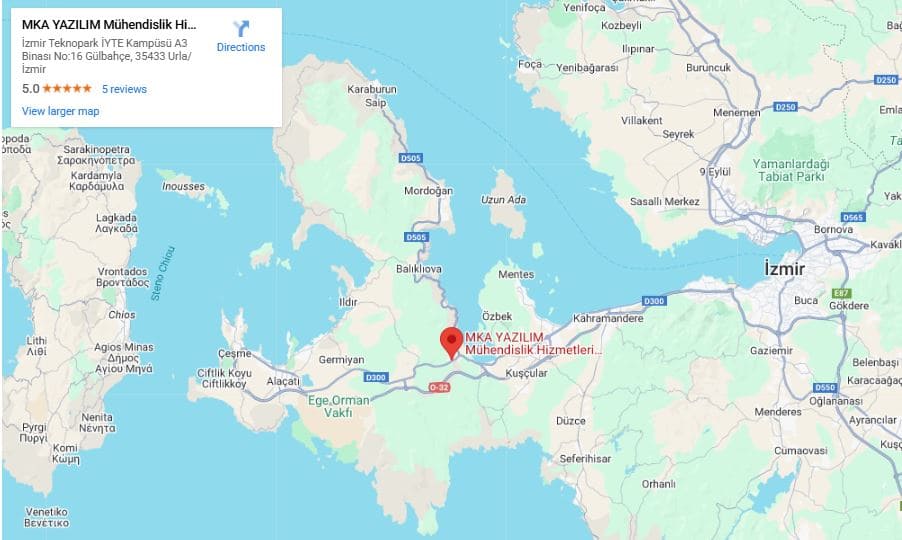
MKA Yazılım İzmir Teknopark Konum
MKA Yazılım
İzmir Teknopark – İYTE Kampüsü
Haritayı Görüntüle
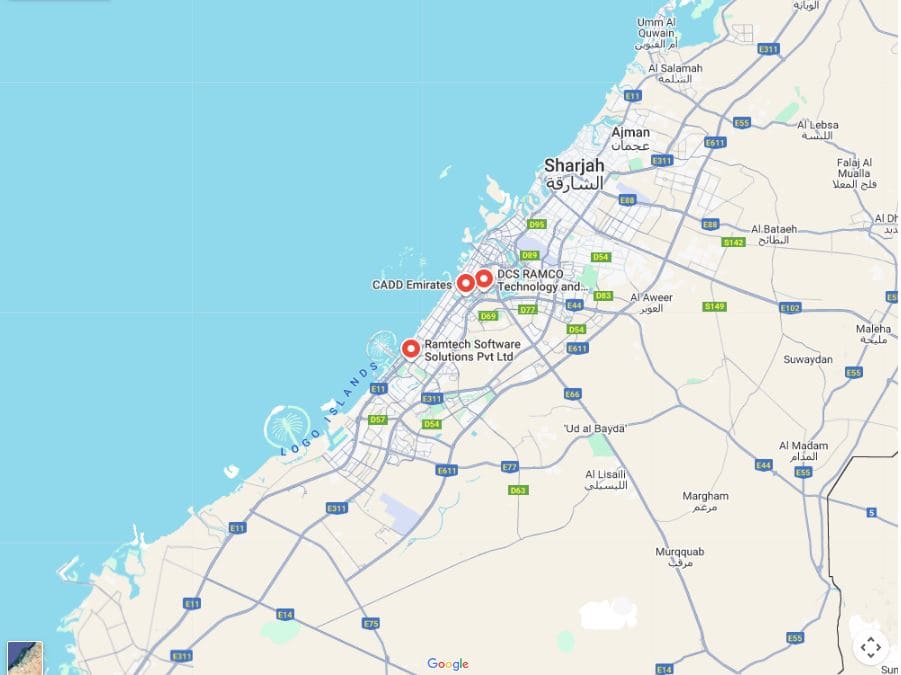
Ram Caddsys Trading LLC Dubai Konum
Ram Caddsys Trading LLC
Burjuman Business Tower · Dubai
View Map
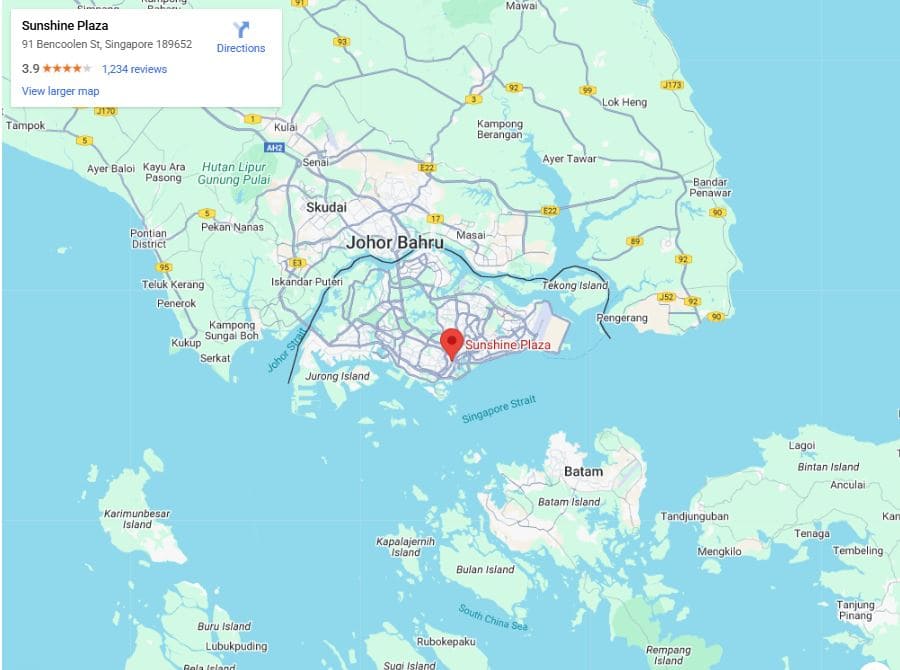
Sunshine Plaza Singapore Konum
Sunshine Plaza
91 Bencoolen Street · #05-06 · Singapore 189652
View Map
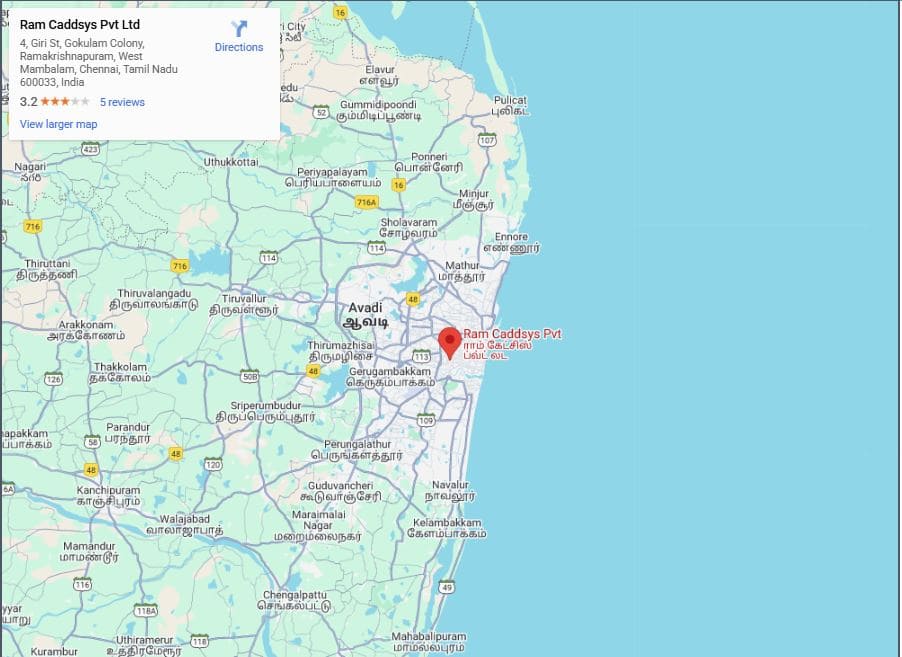
Ram Caddsys Chennai Konum
Ram Caddsys
West Mambalam · Chennai 600033
View Map